Speaker Bios
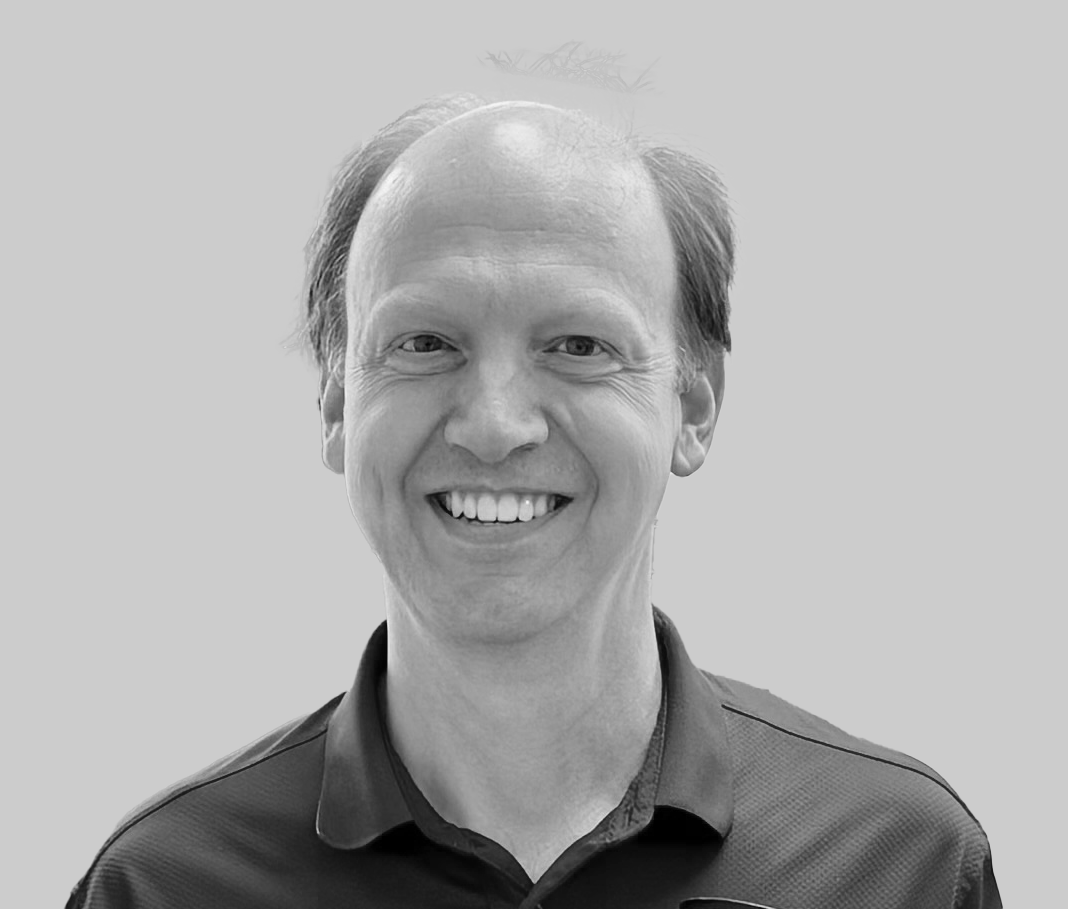 Dr. Christopher R. Anderson is the Theory Division Chief and Acting Measurements Division Chief for the NTIA Institute for Telecommunication Sciences (ITS). He joined ITS in 2023 after 16 years on the Electrical and Computer Engineering faculty at the U.S. Naval Academy, where he founded the Wireless Measurements Group and led spectrum and propagation measurement campaigns spanning ~300 MHz–60 GHz. His research includes widely cited propagation models for spectrum sharing in cluttered environments, with applications to coexistence among radar, commercial broadband, and passive systems. Dr. Christopher R. Anderson is the Theory Division Chief and Acting Measurements Division Chief for the NTIA Institute for Telecommunication Sciences (ITS). He joined ITS in 2023 after 16 years on the Electrical and Computer Engineering faculty at the U.S. Naval Academy, where he founded the Wireless Measurements Group and led spectrum and propagation measurement campaigns spanning ~300 MHz–60 GHz. His research includes widely cited propagation models for spectrum sharing in cluttered environments, with applications to coexistence among radar, commercial broadband, and passive systems.
Dr. Anderson has served as an Editor for the IEEE Transactions on Wireless Communications and has authored or co-authored over 100 peer-reviewed journal and conference papers. He chairs the UAV and V2V Channel Modeling Subgroup within the IEEE Mobile Communication Network Standards Committee and serves as Secretary/Chair-Elect of the U.S. National Committee of the International Union of Radio Science (URSI). A Licensed Professional Engineer in Colorado, his current interests include advancing spectrum coexistence techniques and extending reliable wireless coverage in rural and underserved regions.
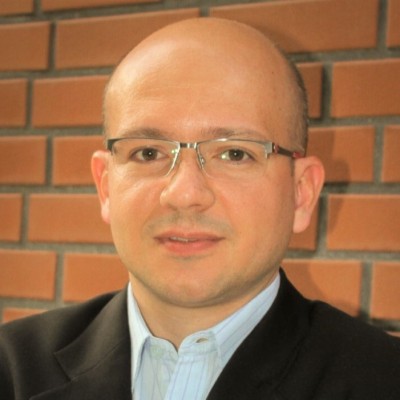 Dr. Fabiano Chaves is the Head of Spectrum & Regulatory Affairs for the Americas at Shure. He is responsible for advocating for continued access of wireless audio systems to enough spectrum in the TV-UHF range and additional spectrum, which is essential to support productions in a wide range of sectors, including news reporting, theater, music, sports, worship, civic events, and education. He is also involved in regulatory and standardization work on emerging technologies for audio applications. Prior to joining Shure, Dr. Chaves spent more than 10 years with Nokia, most recently as Head of Spectrum Standardization for North America, where he led the company's efforts on spectrum matters in the region. He actively contributed to international and regional bodies such as ITU, CITEL and CEPT, supported initiatives with national regulators, and helped drive alignment for next-generation connectivity in industry organizations such as ATIS Next G Alliance and GSA. Dr. Chaves has over 20 years of experience in telecommunications, with activities spanning from research on wireless systems and networks to spectrum research, strategy, regulation and standardization. He is co-author of 40+ papers in top-tier journals and conferences and 15+ patents. He received his Ph.D. degree in telecommunications from the Ecole Normale Supérieure de Cachan (ENS-Cachan, France) and the University of Campinas (Unicamp, Brazil). Dr. Fabiano Chaves is the Head of Spectrum & Regulatory Affairs for the Americas at Shure. He is responsible for advocating for continued access of wireless audio systems to enough spectrum in the TV-UHF range and additional spectrum, which is essential to support productions in a wide range of sectors, including news reporting, theater, music, sports, worship, civic events, and education. He is also involved in regulatory and standardization work on emerging technologies for audio applications. Prior to joining Shure, Dr. Chaves spent more than 10 years with Nokia, most recently as Head of Spectrum Standardization for North America, where he led the company's efforts on spectrum matters in the region. He actively contributed to international and regional bodies such as ITU, CITEL and CEPT, supported initiatives with national regulators, and helped drive alignment for next-generation connectivity in industry organizations such as ATIS Next G Alliance and GSA. Dr. Chaves has over 20 years of experience in telecommunications, with activities spanning from research on wireless systems and networks to spectrum research, strategy, regulation and standardization. He is co-author of 40+ papers in top-tier journals and conferences and 15+ patents. He received his Ph.D. degree in telecommunications from the Ecole Normale Supérieure de Cachan (ENS-Cachan, France) and the University of Campinas (Unicamp, Brazil).
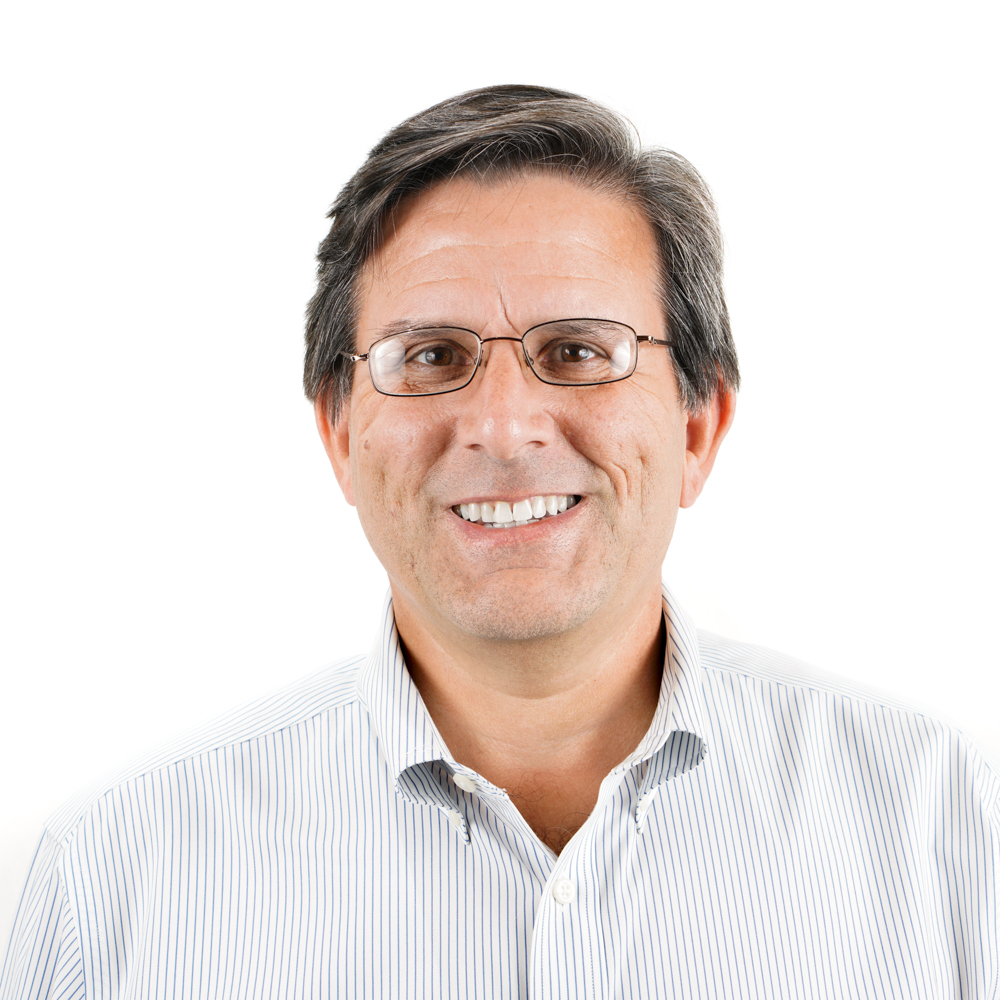 Andrew Clegg is a co-founder of Valo Analytica, a start-up dedicated to radio spectrum data and analytics. He also holds a part-time appointment as senior research scientist in Baylor University's Electrical and Computer Engineering department and is a member of the Baylor-led SMART Hub collaboration. Previously he served as spectrum engineering lead for Google, where he was a prolific contributor to the FCC's proceeding establishing CBRS. After adoption of the final CBRS rules, he served as chair of the Wireless Innovation Forum committee that created the industry standards on which the CBRS ecosystem runs. He helped design, build, certify, and operate the Google SAS and its related ESC network. He was also the world's first CBRS Certified Professional Installer. Prior appointments include electromagnetic spectrum manager for the National Science Foundation, lead member of technical staff for Cingular Wireless (now part of AT&T), senior engineer at Comsearch, and research scientist at the Naval Research Laboratory. He holds a PhD in radio astronomy and electrical engineering (minor) from Cornell University. He is also an extra-class amateur radio operator, FCC call sign W4JE. Andrew Clegg is a co-founder of Valo Analytica, a start-up dedicated to radio spectrum data and analytics. He also holds a part-time appointment as senior research scientist in Baylor University's Electrical and Computer Engineering department and is a member of the Baylor-led SMART Hub collaboration. Previously he served as spectrum engineering lead for Google, where he was a prolific contributor to the FCC's proceeding establishing CBRS. After adoption of the final CBRS rules, he served as chair of the Wireless Innovation Forum committee that created the industry standards on which the CBRS ecosystem runs. He helped design, build, certify, and operate the Google SAS and its related ESC network. He was also the world's first CBRS Certified Professional Installer. Prior appointments include electromagnetic spectrum manager for the National Science Foundation, lead member of technical staff for Cingular Wireless (now part of AT&T), senior engineer at Comsearch, and research scientist at the Naval Research Laboratory. He holds a PhD in radio astronomy and electrical engineering (minor) from Cornell University. He is also an extra-class amateur radio operator, FCC call sign W4JE.
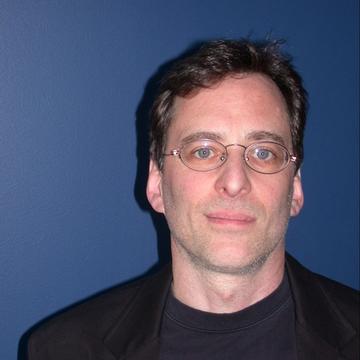 Henry Cohen is Director of Spectrum Affairs at CP Communications, overseeing a wide range of RF spectrum and service operations. He manages FCC licensing and Special Temporary Authority (STA), regulatory compliance, spectrum policy advocacy, frequency coordination, and high level RF systems engineering. He brings nearly 50 years of RF and event production experience to spectrum management and frequency coordination of major events involving many diverse stakeholders. Henry oversees all high power (LMR) and >1 GHz coordination supporting sports broadcast operations and large scale special events. Since 2020, he has served as the high power and >1 GHz frequency coordinator for Super Bowl working with the NFL, broadcast rightsholders, and other stakeholders including federal and non federal public safety agencies. Similar high level frequency coordination work also includes MLB All-Star Game, MLB World Series, Belmont Stakes, and the NYC Marathon. He has served as lead frequency coordinator for the FIFA Club World Cup 2025, 2021 and 2025 Presidential Inaugural Balls, NATO ’75 Summit, APEC 2023, and the Commission on Presidential Debates (2008–2020), among numerous other high profile broadcast and Fortune 100 corporate events. He is currently working on spectrum planning and frequency coordination for FIFA World Cup 2026, helping all stakeholders align operational requirements across a complex RF environment. Henry Cohen is Director of Spectrum Affairs at CP Communications, overseeing a wide range of RF spectrum and service operations. He manages FCC licensing and Special Temporary Authority (STA), regulatory compliance, spectrum policy advocacy, frequency coordination, and high level RF systems engineering. He brings nearly 50 years of RF and event production experience to spectrum management and frequency coordination of major events involving many diverse stakeholders. Henry oversees all high power (LMR) and >1 GHz coordination supporting sports broadcast operations and large scale special events. Since 2020, he has served as the high power and >1 GHz frequency coordinator for Super Bowl working with the NFL, broadcast rightsholders, and other stakeholders including federal and non federal public safety agencies. Similar high level frequency coordination work also includes MLB All-Star Game, MLB World Series, Belmont Stakes, and the NYC Marathon. He has served as lead frequency coordinator for the FIFA Club World Cup 2025, 2021 and 2025 Presidential Inaugural Balls, NATO ’75 Summit, APEC 2023, and the Commission on Presidential Debates (2008–2020), among numerous other high profile broadcast and Fortune 100 corporate events. He is currently working on spectrum planning and frequency coordination for FIFA World Cup 2026, helping all stakeholders align operational requirements across a complex RF environment.
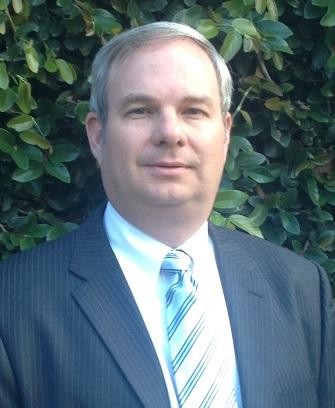 Charles Cooper is Associate Administrator for NTIA’s Office of Spectrum Management. He leads the agency’s work on national and international spectrum policy issues and oversees spectrum management efforts for federal agencies. Charles Cooper is Associate Administrator for NTIA’s Office of Spectrum Management. He leads the agency’s work on national and international spectrum policy issues and oversees spectrum management efforts for federal agencies.
Previously, Cooper was the Enforcement Bureau Field Director at the Federal Communications Commission (FCC) where he managed the nationwide enforcement of spectrum interference affecting public safety communications, FCC licensees and Federal agencies. Prior to serving as Field Director, Cooper was District Director of the FCC’s Los Angeles Field Office. He is a licensed Professional Engineer and received his undergraduate electrical bachelor science degree from Mississippi State University.
John Leibovitz is Managing Member of Jupiterra LLC, an advisor to organizations navigating challenging problems at the intersection of strategy, technology, and policy. From 2009 to 2015 John served as Deputy Chief of the Wireless Bureau and Special Advisor to the Chairman for Spectrum Policy at the FCC. He coordinated the spectrum strategy outlined in the National Broadband Plan (2010) and helped lead its implementation, repurposing over 300 megahertz for mobile broadband and raising over $50 billion in proceeds to the U.S. Treasury through spectrum auctions. He steered a variety of wireless spectrum rulemakings, including for several AWS bands and the Citizens Broadband Radio Service (CBRS). He was a key member of the team that conceived the 600 MHz “incentive auction”(a term he coined). Prior to the FCC, John helped launch the Technology, Innovation, and Government Reform working group for President Obama’s transition team. Before that, he was a wireless entrepreneur and a management consultant with McKinsey & Company. John has written about tech and telecom policy in the Yale Law Journal and the Yale Journal of Law and Technology. He has published several articles on spectrum policy and is a co-inventor on two U.S. patents related to wireless technology. John has a B.A. from the University of Pennsylvania, an M.Phil. from Cambridge University, and a J.D. from Yale Law School.
 Dr. Harish Ramchandran is a Principal Engineer at MITRE Corporation, where he leads initiatives in dynamic spectrum sharing and the application of commercial wireless technologies for government use. Previously, he was a Principal Engineer at Hughes Network Systems and iDirect Technologies, contributing to physical layer research and development in mobile satellite communications. He played a key role in the design and development of the GMR1-3G mobile satellite air interface technology, later standardized by ETSI. He holds a bachelor’s degree in electrical engineering from VJTI in Mumbai, India, and master’s and doctoral degrees in Electrical Engineering from Clemson University. Dr. Harish Ramchandran is a Principal Engineer at MITRE Corporation, where he leads initiatives in dynamic spectrum sharing and the application of commercial wireless technologies for government use. Previously, he was a Principal Engineer at Hughes Network Systems and iDirect Technologies, contributing to physical layer research and development in mobile satellite communications. He played a key role in the design and development of the GMR1-3G mobile satellite air interface technology, later standardized by ETSI. He holds a bachelor’s degree in electrical engineering from VJTI in Mumbai, India, and master’s and doctoral degrees in Electrical Engineering from Clemson University.
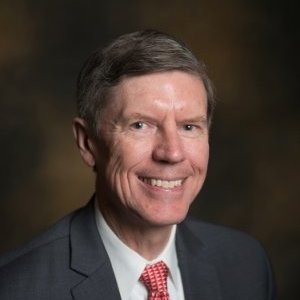 Mr. Dennis Roberson is the Founder, President, Chief Executive Officer, and Member of Roberson and Associates, LLC and has over 40 years of industry experience. He also served as the Vice Provost for Research and as a Research Professor in Computer Science and in the Law School at Illinois Institute of Technology where he was an active researcher in the wireless networking arena. He was a co-founder of IIT’s Wireless Network and Communications Research Center (WiNCom), and a co-founder of the Intellectual Property Management and Markets Program in the Law School. His wireless research focused on dynamic spectrum access networks, spectrum measurement systems and spectrum management, and wireless interference and its mitigation. Mr. Dennis Roberson is the Founder, President, Chief Executive Officer, and Member of Roberson and Associates, LLC and has over 40 years of industry experience. He also served as the Vice Provost for Research and as a Research Professor in Computer Science and in the Law School at Illinois Institute of Technology where he was an active researcher in the wireless networking arena. He was a co-founder of IIT’s Wireless Network and Communications Research Center (WiNCom), and a co-founder of the Intellectual Property Management and Markets Program in the Law School. His wireless research focused on dynamic spectrum access networks, spectrum measurement systems and spectrum management, and wireless interference and its mitigation.
Previously, Mr. Roberson was Executive Vice President and Chief Technology Officer at Motorola. He had an extensive corporate career, which included major business and technology responsibilities at IBM, Digital Equipment Corporation (DEC, now part of Hewlett Packard), AT&T, and NCR. He has been involved with a wide variety of technology organizations, that includes currently serving as the Chair of the Marconi Society Board, and membership on the Commerce Spectrum Management Advisory Committee. He served as the Chair of the Federal Communications Commission Technical Advisory Council for eight years and served on the TAC for 22 years. Mr. Roberson currently serves on the governing and/or advisory boards of several exciting technology-based companies. He has served as a frequent speaker at universities, companies, technical workshops, and conferences around the globe. He has eleven issued patents with several additional patents filed with the US Patent Office.
Mr. Roberson has Bachelor of Science degrees in Electrical Engineering and in Physics from Washington State University and a Master of Science in Electrical Engineering from Stanford University.
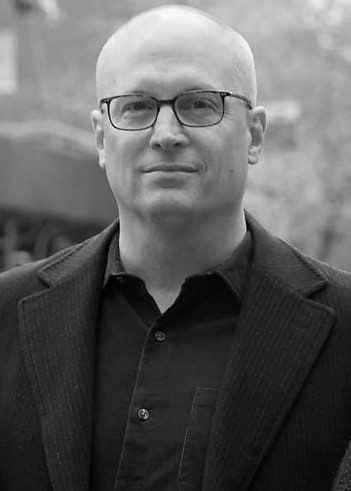 Peter Tenhula is a Senior Fellow at the University of Colorado’s Silicon Flatirons Center for Law, Policy and Entrepreneurship and affiliated with the Center’s Spectrum Policy Initiative. Peter retired from federal government service in 2021, having worked for nearly 25 years at the National Telecommunications and Information Administration (NTIA) and at the Federal Communications Commission (FCC). From 2014 to April 2021, Peter served as Deputy Associate Administrator in NTIA’s Office of Spectrum Management (OSM). He also served as the Chair of the Interdepartment Radio Advisory Committee (IRAC). Prior to joining OSM, Peter was a Senior Advisor in NTIA’s Office of Assistant Secretary. Before joining NTIA in 2012, he worked at Shared Spectrum Company (SSC), serving as the company’s vice president and general counsel. While at SSC, Peter was a member of the Board of Directors of the Wireless Innovation Forum and chaired its Regulatory Committee. From 1990 to 2006, Peter held several positions at the FCC, including Acting Deputy Chief of the Wireless Telecommunications Bureau, director and co-director of the Spectrum Policy Task Force, Senior Legal Advisor to FCC Chairman Michael Powell, Special Counsel to General Counsel William Kennard, and staff attorney in the Office of General Counsel and the Mass Media Bureau. He received his undergraduate degree in telecommunications from Indiana University, Bloomington, and earned a law degree from Washington University in St. Louis, Missouri. Peter Tenhula is a Senior Fellow at the University of Colorado’s Silicon Flatirons Center for Law, Policy and Entrepreneurship and affiliated with the Center’s Spectrum Policy Initiative. Peter retired from federal government service in 2021, having worked for nearly 25 years at the National Telecommunications and Information Administration (NTIA) and at the Federal Communications Commission (FCC). From 2014 to April 2021, Peter served as Deputy Associate Administrator in NTIA’s Office of Spectrum Management (OSM). He also served as the Chair of the Interdepartment Radio Advisory Committee (IRAC). Prior to joining OSM, Peter was a Senior Advisor in NTIA’s Office of Assistant Secretary. Before joining NTIA in 2012, he worked at Shared Spectrum Company (SSC), serving as the company’s vice president and general counsel. While at SSC, Peter was a member of the Board of Directors of the Wireless Innovation Forum and chaired its Regulatory Committee. From 1990 to 2006, Peter held several positions at the FCC, including Acting Deputy Chief of the Wireless Telecommunications Bureau, director and co-director of the Spectrum Policy Task Force, Senior Legal Advisor to FCC Chairman Michael Powell, Special Counsel to General Counsel William Kennard, and staff attorney in the Office of General Counsel and the Mass Media Bureau. He received his undergraduate degree in telecommunications from Indiana University, Bloomington, and earned a law degree from Washington University in St. Louis, Missouri.
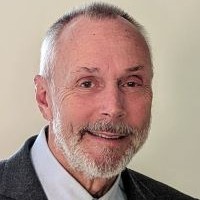 Martin Weiss is currently the Director for FutureG Applied Research, and Technical Lead for Resilient and Open Commercial Solutions within the Office of the Under Secretary of Defense for Research and Engineering. In this capacity, Weiss oversees multiple efforts to promote FutureG applied research which enable government, academia, and industry to build commercially useful solutions to meet the Department of Defense’s wireless communications needs. Martin Weiss is currently the Director for FutureG Applied Research, and Technical Lead for Resilient and Open Commercial Solutions within the Office of the Under Secretary of Defense for Research and Engineering. In this capacity, Weiss oversees multiple efforts to promote FutureG applied research which enable government, academia, and industry to build commercially useful solutions to meet the Department of Defense’s wireless communications needs.
Prior to joining the FutureG Office, Weiss was a Professor in the Department of Informatics and Networked Systems in the School of Computing and Information and is Associate Director of the Center for Governance and Markets at the University of Pittsburgh. He was a founding member of SpectrumX, a National Science Foundation-funded Spectrum Innovation Institute. He earned his PhD. in Engineering and Public Policy from Carnegie Mellon University, Master of Science in Engineering in Computer, Control, and Information Engineering from the University of Michigan, and a Bachelor of Science in Engineering in Electrical Engineering from Northeastern University. His research interest is on the governance of technological systems and infrastructures. He has been studying dynamic spectrum access, and the economic perspective of spectrum sharing and mobile telecommunication standards such as 3GPP.
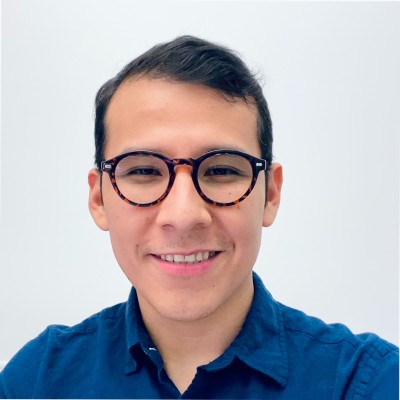 Jose Zapata is a Senior Communications Engineer at MITRE specializing in wireless communications, spectrum sharing, and machine learning. With a background in electrical engineering, he applies signal processing and modeling to complex wireless systems challenges. His interests are at the intersection of classical signal processing and machine learning. Jose Zapata is a Senior Communications Engineer at MITRE specializing in wireless communications, spectrum sharing, and machine learning. With a background in electrical engineering, he applies signal processing and modeling to complex wireless systems challenges. His interests are at the intersection of classical signal processing and machine learning.
|